
Developing self-confidence is a game-changer in the professional world. This vital trait can open doors to new opportunities, enhance your decision-making abilities, and improve your interactions with colleagues and clients. In this blog post, we’ll explore practical steps to help you build and maintain Strengthen self-confidence (Selbstbewusstsein stärken) at work.
Understanding Self-Confidence
Self-confidence involves having faith in your abilities and judgment. It’s a crucial element that can influence how others perceive you and how you perceive yourself. A confident attitude can boost your motivation, making it easier to tackle challenges head-on. By understanding this concept, you can begin to implement strategies that enhance your confidence in professional settings.
Acknowledge Your Strengths
Recognizing and leveraging your strengths is a foundational step in building self-confidence. Take some time to reflect on your unique skills and talents. Make a list of past achievements and consider how these successes might be replicated in your current role. This exercise not only highlights your capabilities but also reinforces your value within your team or organization.
Set Realistic Goals
Creating achievable goals allows you to track your progress and celebrate small victories along the way. Begin with short-term objectives that align with your strengths and gradually work towards more challenging tasks. This approach helps build momentum and increases your self-assurance as you witness your own growth and accomplishments.
Positive Self-Talk
The way we speak to ourselves can significantly impact our confidence levels. Practice positive self-talk by replacing negative thoughts with empowering affirmations. For example, instead of thinking, “I’m not good enough,” reframe it as, “I am capable, and I can overcome this challenge.” Regularly using positive language can reshape your mindset and bolster your confidence.
Seek Feedback and Act on It
Feedback from peers and supervisors provides valuable insights into your performance. Take constructive criticism as an opportunity for growth, not as a setback. By actively seeking feedback, you demonstrate a willingness to improve, which can enhance your confidence as you address areas of development.
Conclusion
Building self-confidence is an ongoing process that can profoundly impact your professional success. By acknowledging your strengths, setting realistic goals, practicing positive self-talk, and seeking feedback, you lay the groundwork for a more confident version of yourself. Remember, confidence is not about knowing everything, but rather, trusting in your ability to learn and adapt. Start incorporating these steps today and watch your professional self-confidence soar.
Tag: Self-defense

In today’s fast-paced world, children are challenged to express themselves and assert their own thoughts and feelings clearly. Fitness boxing (Fitnessboxen) While some children naturally speak up and share their ideas, others may struggle to find their voice. Encouraging self-assertion in children is crucial as it helps them communicate effectively, build confidence, and develop strong interpersonal skills.
Children who learn the art of self-assertion from an early age are better equipped to handle social situations and stand up for their needs and rights. By nurturing these skills, parents and educators can help children become more confident and resilient individuals. This article explores the importance of self-assertion for children and offers practical tips for fostering this essential skill.
Communication Skills Build a Strong Foundation
Self-assertion begins with healthy communication. Teaching children to express themselves in clear and respectful ways lays the foundation for self-assertiveness. Start by encouraging children to share their thoughts and feelings openly. Listen to them attentively and validate their emotions, assuring them that their opinions matter. By creating an environment where open dialogue is welcomed, children feel more comfortable expressing themselves.
In addition, role-playing different scenarios can be a fun and effective way to practice communication skills. Encourage children to use “I” statements, which focus on their feelings and experiences rather than blaming others. For example, “I feel upset when my toy is taken without asking” is more constructive than “You always take my toy.” This approach helps children articulate their needs while fostering empathy and understanding.
Setting Boundaries The Key to Self-Assertion
Establishing and respecting boundaries is a critical component of self-assertion. Children need to understand that they have the right to set personal boundaries and expect others to respect them. Teaching children about consent and personal space empowers them to assert themselves confidently in various situations.
Encourage children to voice their preferences and decisions, even in simple matters like choosing what to wear or what activities to engage in. This helps them understand that their choices are important and should be respected. Additionally, teach them to recognize and respect the boundaries of others, reinforcing the concept of mutual respect in relationships.
Confidence The Backbone of Self-Assertion
Confidence and self-assertion go hand in hand. Building a child’s self-confidence is essential for them to assert themselves effectively. Acknowledge their achievements, no matter how small, and provide opportunities for them to take on challenges. This boosts their self-esteem and encourages them to take initiative.
Support children in pursuing their interests and passions, whether it’s in academics, sports, or creative endeavors. Encourage them to set realistic goals and celebrate their progress along the way. When children feel confident in their abilities, they are more likely to assert their ideas and opinions without hesitation.
In conclusion, fostering self-assertion in children is a vital aspect of their development. By equipping children with strong communication skills, teaching them to set boundaries, and nurturing their confidence, parents and educators can empower young voices to express themselves effectively. This foundation not only benefits children in their current lives but also prepares them for future success in a world where self-assuredness is a valuable asset.

In a rapidly changing world, the ability to protect oneself is an invaluable skill. For professionals navigating busy urban environments, understanding Martial arts (Kampfkunst) is not just about physical safety, but also about confidence and empowerment. While this topic may seem daunting, mastering self-defense is achievable and necessary.
The Importance of Self-Defense for Professionals
Busy schedules and demanding jobs often keep professionals from considering personal safety training. However, knowing basic self-defense techniques can significantly enhance one’s sense of security. When you’re confident in your ability to protect yourself, you carry yourself differently, projecting confidence and control. This newfound assurance spills over into other areas of life, improving everything from interactions in professional settings to everyday encounters.
Understanding the Basics of Self-Defense
Self-defense is not about becoming a martial arts expert overnight. Instead, it’s about mastering fundamental techniques that can be recalled in high-stress situations. These basics include understanding body language, learning to maintain a safe distance, and knowing how to use your voice effectively to deter potential threats. Incorporating these elements into your daily routine can make a substantial difference.
Developing Situational Awareness
One of the most critical components of self-defense is situational awareness. This means being alert to your surroundings and understanding the context of your environment. Recognizing potential threats before they escalate can give you the advantage of time. Practicing awareness involves simple actions, like keeping your phone down while walking or noting exits when you enter a room.
Practical Self-Defense Techniques
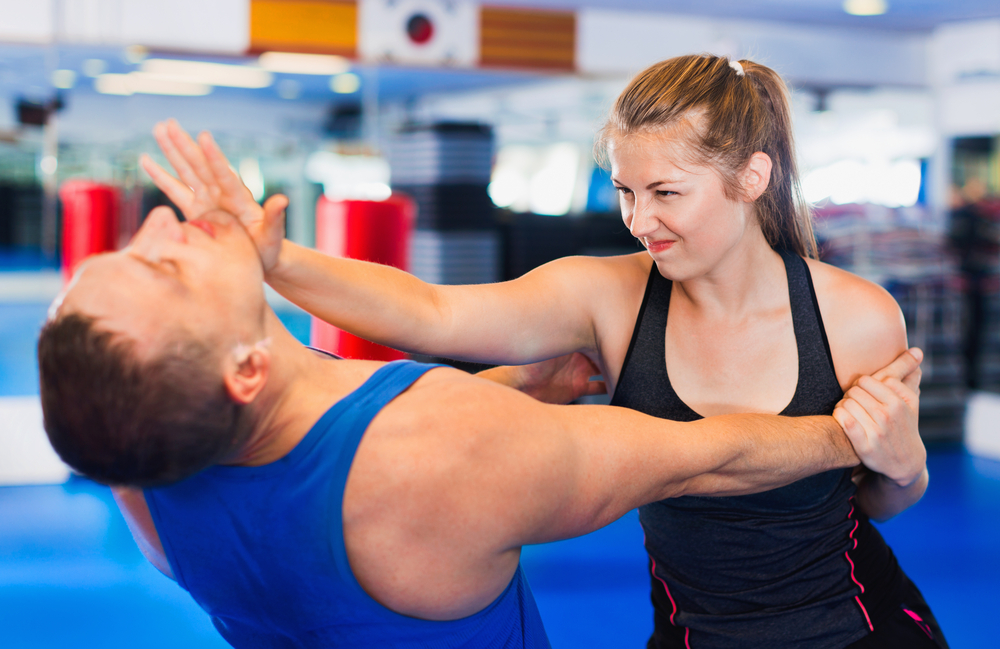
While physical self-defense moves are essential, they are most effective when paired with mental readiness. Techniques such as blocking, striking vulnerable areas, or breaking free from holds should be practiced under expert guidance. Participating in self-defense workshops or classes can provide hands-on experience and build muscle memory, ensuring you’re prepared when it matters most.
Empowering Yourself Through Self-Defense
Self-defense extends beyond physical capabilities; it empowers individuals mentally. It fosters a mindset of resilience, teaching you to handle confrontation with composure and decisiveness. Adopting self-defense skills cultivates self-discipline and perseverance, qualities that are beneficial in both personal and professional spheres.
In summary, self-defense is a crucial skill for modern professionals. By learning and practicing these techniques, you’re investing in your safety and personal growth. Whether through situational awareness or practical self-defense moves, these skills provide a foundation of confidence and readiness, ensuring you’re prepared for unexpected situations.
Categories
Exploring the World of Martial Arts
Martial arts have long been revered as a discipline that fosters physical prowess, mental fortitude, and spiritual growth. Self-protection (Selbstschutz) Originating from ancient traditions, these practices transcend mere self-defense, offering practitioners a holistic approach to personal development. In today’s fast-paced world, the timeless appeal of martial arts continues to captivate individuals seeking balance and empowerment.
At its core, martial arts embody a dedication to mastery. Each discipline, from Karate to Taekwondo, brings unique techniques and principles. These arts demand rigorous training and an unwavering commitment to honing one’s skills. Through disciplined practice, martial artists develop enhanced strength, agility, and coordination, making them formidable in various situations.
Beyond the physical aspects, martial arts nurture mental resilience. The focus required during training hones concentration and discipline, fostering a sense of mindfulness that extends beyond the dojo. This mental clarity often translates into improved problem-solving abilities and stress management in daily life.
Martial arts also offer profound spiritual insights. They emphasize values such as respect, humility, and patience, encouraging practitioners to cultivate a deeper understanding of themselves and their surroundings. The pursuit of balance, both within and outside, becomes a lifelong endeavor.
In conclusion, martial arts serve as a dynamic path to personal growth. Whether pursued for self-defense, fitness, or spiritual enrichment, these disciplines provide a well-rounded approach to enhancing one’s life. By engaging in martial arts, individuals not only acquire valuable skills but also embark on a transformative journey that extends far beyond the physical realm.
Children’s gymnastics is more than just a sport; it’s a foundation for life-long fitness and growth. For parents seeking a well-rounded activity that fosters physical and mental development, gymnastics offers unparalleled benefits that extend beyond the gym floor. Krav Maga (Krav Maga) This article explores the multifaceted world of children’s gymnastics, emphasizing its value in fostering discipline, coordination, and self-confidence among young athletes.
The Importance of Early Physical Development
Gymnastics is unique in its ability to enhance flexibility, strength, and balance at an early age. By engaging in this sport, children can improve their motor skills and overall physical health. The varied movements in gymnastics—ranging from flips and turns to balances and vaults—challenge young gymnasts physically, promoting muscle development and agility. These skills not only benefit them in gymnastics but also lay the groundwork for success in other sports and activities.
Furthermore, gymnastics classes often incorporate fun, age-appropriate exercises that keep young athletes engaged and motivated. Through playful yet structured routines, children develop a love for physical activity, which is essential for maintaining a healthy lifestyle as they grow. The emphasis on flexibility and coordination in gymnastics also helps prevent injuries, making it a safe and beneficial choice for children.
Mental and Emotional Growth through Gymnastics
Beyond physical benefits, gymnastics plays a significant role in nurturing mental and emotional growth. The sport requires concentration, discipline, and resilience, teaching children valuable life skills. Young gymnasts learn to set goals, manage their time effectively, and persevere through challenges—all of which are essential traits for success in any field.
Participation in gymnastics also fosters self-discipline and focus, as children must practice routines and techniques repeatedly to master them. This dedication to improvement builds self-confidence as gymnasts see their progress over time. Being part of a supportive team environment further enhances their sense of belonging and camaraderie, boosting their emotional well-being.
Gymnastics as a Catalyst for Lifelong Success
Children who participate in gymnastics often exhibit improved academic performance, social skills, and confidence. The sport’s emphasis on goal-setting and perseverance translates into better problem-solving abilities and a strong work ethic in other aspects of their lives. Gymnastics encourages creativity and innovation, as young athletes explore new movements and routines, enhancing their cognitive development.
Additionally, the discipline and dedication required in gymnastics instill a sense of responsibility and accountability in children. These qualities are vital for academic and personal success, helping young gymnasts excel both in and out of the gym. By fostering a lifelong love of learning and self-improvement, gymnastics sets children on a path toward a bright and successful future.
In conclusion, children’s gymnastics offers a wealth of benefits that extend far beyond the gym. Parents who encourage their children to participate in this dynamic sport provide them with the tools for physical, mental, and emotional growth. With its focus on discipline, coordination, and self-confidence, gymnastics lays the foundation for lifelong success and well-being. For those interested in nurturing their children’s potential, enrolling them in gymnastics is a rewarding investment in their future.