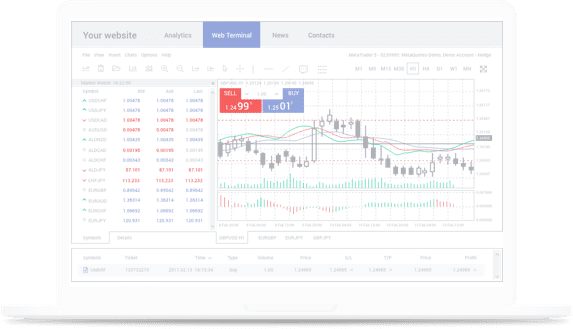
Metatrader 4 For traders navigating the dynamic world of financial markets, simplicity can often feel elusive. Complex trading strategies and fluctuating market conditions demand precision, speed, and adaptability. Fortunately, today’s trading platforms come equipped with features specifically designed to make even the most intricate trades manageable. Here’s a look at some must-have features that simplify complex trading and empower traders of all levels.
Customizable Charts and Indicators
Visualizing data effectively is crucial for successful trading. Customizable charts allow users to tailor their views to focus on critical market trends and patterns. From candlestick charts to line graphs, having options ensures that market data is interpreted in a way that makes sense for you. Add to that the ability to overlay indicators like Bollinger Bands, moving averages, or Relative Strength Index (RSI), and you’ve got a setup that can help you analyze the market with precision.
For traders dealing with multiple assets or strategies, customization is a game-changer. By isolating specific data points, they can simplify decision-making and stay focused on their key trades.
Automated Trading Systems
Manual trading can be both time-consuming and error-prone, especially in volatile markets. Automated trading systems offer an elegant solution by executing pre-set strategies without constant oversight. These systems use algorithms to enter and exit trades based on specified criteria such as price levels or technical indicators.
For example, if you’re using a scalping strategy, automated systems can place and manage numerous small trades throughout the day with high efficiency. This minimizes human error and enhances speed, especially in markets where timing is everything.
Risk Management Tools
The volatility of financial markets makes risk management a fundamental aspect of trading. Effective platforms come equipped with tools like stop-loss orders, take-profit levels, and margin calls to help mitigate potential losses. These tools are indispensable for anyone trading on leverage or executing multiple positions simultaneously.
Setting predefined risk parameters ensures that no matter how unpredictable the market gets, your losses remain controlled and manageable. This is particularly useful when trading in highly liquid or volatile markets like forex or cryptocurrency.
One-Click Trading
Speed is essential in a fast-paced trading environment. One-click trading allows users to open or close positions instantly with a single action. This feature is particularly useful for day and scalping traders who need to react quickly to market movements without wasting precious seconds.
Accessible Reporting and Analytics
Comprehensive reporting and analytics features offer traders a way to track performance and identify areas for improvement. Whether reviewing your win/loss ratio, identifying profitable trade patterns, or assessing risk management effectiveness, these insights provide valuable feedback that can guide future strategies.
Mastering Complexity with the Right Tools
Trading can be complex, but with the right features at your disposal, complexity becomes manageable. From customizable charts to automated systems and robust risk management tools, modern platforms are designed with traders’ needs in mind. Together, these features streamline decision-making, minimize risk, and help traders achieve their goals with greater confidence.
Tag: metatrader 4
Are you looking to enhance your trading strategy and make more informed decisions in the market? Optimizing your trades with tools like Metatrader 4 (MT4) can give you a competitive edge in navigating the complexities of trading. For those new to trading or seasoned professionals aiming to refine their techniques, this guide provides insights on how to use such platforms effectively to maximize your gains.
Why Optimization Matters in Trading
Trading is not just about buying and selling at the right time; it’s about strategizing, analyzing, and constantly adapting to market changes. Optimization enables traders to use data-driven strategies, refine their approach based on historical performance, and make informed decisions to reduce potential losses. If done correctly, it can also help identify opportunities you may not have noticed otherwise.
Key Ways to Optimize Your Trades
1. Backtesting Your Strategies
Backtesting is one of the most powerful ways to optimize your approach. By testing your strategies against historical data, you can determine their effectiveness without risking actual capital. This allows traders to identify patterns and choose the systems that offer the best risk-to-reward ratios.
Pro Tip: Use a combination of short-term and long-term data when backtesting. This ensures your strategy works across different market conditions.
2. Leverage Technical Indicators
Technical indicators are essential tools for understanding price movements. Tools built into trading platforms allow traders to analyze trends, gauge market sentiment, and predict future movements. Popular indicators include moving averages, the Relative Strength Index (RSI), and Bollinger Bands.
Optimization Tip: Avoid overloading your charts with too many indicators. Choose a couple that best align with your trading goals.
3. Set Realistic Stop Loss and Take Profit Levels
Even the best strategies can fail without proper risk management. Setting appropriate stop-loss and take-profit levels ensures that your trades don’t expose you to unnecessary losses while locking in profits at the right time.
Rule of Thumb: Never risk more than 1-2% of your total account balance on a single trade.
4. Monitor Economic Calendars and News
Market trends are influenced by global economic events and news. By keeping track of important announcements—like interest rate decisions, employment reports, and geopolitical developments—you can time your trades for maximum profitability.
Stay Adaptive to Succeed
No strategy is perfect or permanent in the trading world. The key to success is ongoing analysis and optimization. Reevaluate your strategies based on evolving market conditions and your personal goals to consistently achieve better results.
Navigating the volatile waters of the foreign exchange market, commonly known as forex market, is no small feat. With its 24-hour cycle and global reach, it presents both opportunities and challenges for traders aiming to achieve long-term success. In this guide, you’ll uncover strategies that can help build a sustainable trading career and make informed decisions in the Forex market.
Understanding the Forex Market
Before jumping into strategies, it’s crucial to understand what Forex is all about. The Forex market is where currencies are traded, making it the largest financial market in the world. For any aspiring trader, grasping the basics, such as currency pairs, leverage, and market hours, forms the foundation of successful trading.
Developing a Solid Trading Plan
A well-thought-out trading plan is essential for long-term success. This plan should outline your trading goals, risk tolerance, and preferred trading style, whether it’s scalping or swing trading. It acts as a roadmap, helping you stay focused and disciplined even during unpredictable market movements.
Risk Management is Key
Managing risk is a fundamental aspect of Forex trading. Successful traders know how to protect their capital by setting stop-loss and take-profit orders. It’s important to never risk more than a small percentage of your trading capital on any single trade. Consistent risk management can prevent significant losses and ensure longevity in the Forex market.
Continuous Learning and Adaptation
The Forex market is dynamic, and strategies that work today may not be as effective tomorrow. Staying informed about economic indicators, geopolitical events, and market trends is crucial. Continuous learning, through courses, webinars, and reading, can keep you updated and prepared to adapt your strategies as needed.
Staying Emotionally Resilient
Trading can be an emotional rollercoaster, with the highs of profits and the lows of losses. Successful traders maintain emotional resilience by sticking to their trading plan and not letting emotions drive their decisions. Practicing mindfulness and stress management techniques can help in maintaining a calm and rational mindset during trading.
Building a Support Network
Engaging with a community of traders can provide support and insights into market dynamics. Whether through online forums, social media, or local meetups, connecting with other traders can offer valuable perspectives and shared experiences that can enrich your trading journey.
The forex market is a vast, dynamic arena where currencies are exchanged, creating endless opportunities for traders. If you’re keen on making the most of these trends, it’s crucial to understand how to ride the forex market wave effectively. This article aims to guide you through the essentials, ensuring you make informed decisions that could enhance your trading success.
Understanding Forex Market Trends
Forex market trends are the general direction in which a currency pair is moving over time. Identifying these trends is key to capitalizing on their potential. Traders often rely on technical analysis, examining past market data to predict future movements. By recognizing patterns and using tools like moving averages, you can gauge whether a trend is bullish, bearish, or stagnant, allowing you to strategize accordingly.
Tools to Analyze Forex Trends
To effectively analyze trends, traders employ various tools and indicators. One popular tool is the moving average, which helps smooth out price data to reveal the direction of the trend. Other indicators include the Relative Strength Index (RSI) and the Moving Average Convergence Divergence (MACD), both of which provide insights into market momentum and potential reversal points. By familiarizing yourself with these tools, you’ll be better equipped to make data-driven trading decisions.
Developing a Trend-Based Strategy
A well-thought-out strategy is essential for capitalizing on forex trends. Begin by setting clear goals and determining your risk tolerance. Next, decide whether you’ll pursue a long-term or short-term trading approach. Long-term traders might hold positions for months, riding out broader trends, while short-term traders capitalize on daily fluctuations. Whichever path you choose, stick to your plan and remain disciplined in your executions.
Staying Informed and Adaptive
The forex market is influenced by a myriad of factors, from economic data releases to geopolitical events. Staying informed about these influences can help you anticipate market shifts and adjust your strategy accordingly. Subscribe to forex news outlets, follow economic calendars, and engage with online trading communities to stay abreast of the latest developments. Being adaptable in your approach will enable you to respond swiftly to changing market conditions.
Learning from Experience
Trading in the forex market is a continuous learning process. Reflect on your trades, celebrate your successes, and learn from your mistakes. Keeping a trading journal can be invaluable, as it allows you to track your progress, identify patterns in your behavior, and refine your strategy over time. Remember, even experienced traders face setbacks, but perseverance and dedication can lead to success in the long run.
In the fast-paced world of forex trading, developing a solid strategy is key to achieving long-term success. Whether you’re a beginner or have some trading experience, crafting a well-thought-out plan helps you make informed decisions and manage risks effectively. Let’s explore how to build a successful forex market strategy that can set you on the path to financial growth.
A successful forex strategy starts with understanding market trends. Analyze historical data to identify patterns that indicate potential price movements. Study factors like economic indicators and geopolitical events that impact currency values. By staying informed, you can anticipate changes and adapt your strategy accordingly. Remember, a strategy built on thorough research lays the foundation for profitable trading.
Risk management plays a crucial role in forex trading. Set clear stop-loss and take-profit levels to limit potential losses and secure gains. Never risk more than a small percentage of your trading capital on a single trade. This approach ensures that even if a trade doesn’t go as planned, your overall portfolio remains intact. Disciplined risk management prevents emotional decision-making and keeps your strategy on track.
Flexibility is another vital element of a successful forex strategy. The currency market is dynamic, and adapting to changing conditions is essential. Be open to modifying your strategy based on new insights and market developments. Monitor your performance regularly, and if certain aspects of your strategy aren’t yielding results, don’t hesitate to fine-tune them. A flexible approach allows you to seize opportunities and mitigate risks effectively.
In conclusion, building a successful forex market strategy requires a blend of analysis, risk management, and adaptability. Stay informed about market trends, establish sound risk management practices, and remain open to adjustments. With dedication and a well-structured plan, you can enhance your trading skills and achieve success in the forex market.
In the high-stakes world of forex trading, the balance between risk and reward is as delicate as it is crucial. For new traders eager to dip their toes into this expansive market, understanding the nuances that drive both success and setback is key. This guide will chart a path for minimizing risks while boosting profits in the forex market.
Understanding the Basics of Forex Trading
Before taking the plunge, it’s essential to grasp the fundamentals. Forex, or foreign exchange, involves trading currencies in pairs. The goal is simple—buy low, sell high. However, the market’s sheer size and liquidity can be overwhelming, making it vital to comprehend how currency pairs work, what affects their movement, and how global events can impact exchange rates.
Risk Management Strategies
In the forex market, mitigating risk is a trader’s top priority. First, setting stop-loss orders can shield your investments from unexpected market downturns. This tool allows traders to limit potential losses by automatically selling a position when it reaches a predetermined price. Additionally, diversifying your portfolio across different currency pairs can spread risk, reducing the impact of adverse movements in a single pair. Lastly, always trade with money you can afford to lose, keeping emotions in check to make rational decisions.
Maximizing Profits Through Informed Trading
To enhance profitability, traders must harness data and market insights. Conducting thorough technical analysis of currency charts helps identify trends and potential entry and exit points. Utilizing tools like moving averages and support/resistance levels offers a clearer picture of market dynamics. Staying informed about economic indicators and geopolitical events is equally important, as these factors heavily influence currency values.
The Role of Leverage in Forex Trading
Leverage allows traders to control larger positions with a smaller amount of capital, amplifying both potential profits and risks. While it can magnify gains, it can also lead to significant losses if not used cautiously. It’s imperative to understand how leverage works and to choose a ratio that aligns with your risk tolerance and trading strategy.
Continuous Learning and Adaptation
The forex market is in constant flux, making adaptability and ongoing education vital. Engage with online forex courses, webinars, and forums to stay updated with current trends and strategies. Learning from experienced traders can provide valuable insights and help you refine your approach.
The foreign exchange market, or Forex, is a global hub where currencies are traded. It’s the largest financial market in the world, with over $6 trillion exchanged every day. For beginners eager to explore Forex trading, understanding its dynamics is crucial. This guide provides a foundational overview, helping you grasp the essentials and start your forex market journey.
Introduction to the Forex Market
The Forex market operates 24 hours a day, five days a week, allowing traders worldwide to buy and sell currency pairs. Unlike stock exchanges, Forex doesn’t have a centralized marketplace; instead, trades occur over-the-counter through a global network of computers. This decentralized nature means the market remains open across different time zones, perfect for those seeking flexibility.
What Makes Forex Trading Unique?
One distinct feature of Forex trading is its leverage, allowing traders to control large positions with relatively small deposits. However, this high leverage means potential gains and losses can be significant, making risk management vital. Understanding how leverage works can help traders make informed decisions and protect their investments.
Key Players in the Forex Market
Several participants play crucial roles in the Forex market. Central banks influence currency values through monetary policy changes, while commercial banks facilitate large-scale currency transactions. Additionally, hedge funds and multinational corporations engage in Forex trading to hedge currency risks or conduct international business operations, respectively.
Essential Forex Terms for Beginners
Before jumping into Forex trading, familiarize yourself with essential terms like “pip” (percentage in point), which measures currency movement, and “spread,” the difference between buying and selling prices. Knowing these terms will help you better understand market fluctuations and trading strategies.
Choosing the Right Forex Broker
Selecting a reliable Forex broker is critical for a smooth trading experience. Look for brokers with a robust regulatory framework, competitive spreads, and excellent customer service. Additionally, consider the trading platforms they offer, ensuring they suit your trading style and goals.
In conclusion, understanding the Forex market’s intricacies is essential for beginners who wish to succeed. By grasping the basics, such as market operations, key players, and essential terms, you’re well on your way to navigating the exciting world of Forex trading.
In the fast-paced world of online trading, algorithmic trading has emerged as a game-changer. This innovative approach leverages computer algorithms to automate trading decisions based on pre-defined criteria. For traders eager to enhance their strategies and capitalize on market opportunities, understanding the benefits of algorithmic online trading is crucial. This blog post will explore how algorithmic trading revolutionizes the trading landscape and why it is becoming increasingly popular among traders.
Efficient and Fast Execution
One of the most significant advantages of algorithmic trading is its ability to execute trades with speed and efficiency. Traditional trading relies heavily on human intervention, which can lead to delays and missed opportunities. With algorithmic trading, computers can analyze market conditions and execute trades in milliseconds, ensuring that traders can capitalize on even the slightest market fluctuations. This quick execution can be particularly beneficial in volatile markets where prices change rapidly.
Algorithmic trading eliminates emotional decision-making. Human traders are often influenced by emotions such as fear and greed, leading to impulsive decisions that may not align with their overall strategy. Algorithms, on the other hand, operate based on predefined rules and logic, ensuring that every trade aligns with the trader’s objectives. This disciplined approach reduces the risk of making costly mistakes driven by emotions.
Furthermore, algorithmic trading allows for the backtesting of strategies. Before deploying an algorithm in live markets, traders can test it against historical data to evaluate its performance. This feature provides valuable insights into the strategy’s effectiveness and helps traders refine their approaches for better results. By analyzing past performance, traders can identify patterns and trends that may not be apparent through manual analysis, further enhancing their trading strategies.
Enhanced Market Analysis
Another benefit of algorithmic trading is its ability to process vast amounts of data in real-time. In online trading, market data is constantly generated and updated. Human traders can struggle to keep up with this influx of information, leading to suboptimal decision-making. Algorithms can quickly analyze and interpret large datasets, identifying correlations and trends that can inform trading decisions. This capability allows traders to make data-driven choices, increasing the likelihood of profitable trades.
Algorithmic trading also enables traders to access multiple markets simultaneously. With traditional trading, monitoring multiple markets at once can be challenging and time-consuming. Algorithms can scan various markets for opportunities and execute trades across different asset classes, maximizing potential profits. This diversification helps reduce risk and enhances overall portfolio performance.
Lastly, algorithmic trading provides transparency and consistency. All trades executed by an algorithm are recorded, providing a clear audit trail for compliance and reporting purposes. This transparency builds trust among traders and investors, ensuring that all transactions are conducted ethically and in accordance with regulations.
In conclusion, algorithmic trading offers numerous benefits for online traders. From efficient execution and enhanced market analysis to reduced emotional bias and increased transparency, algorithms provide a powerful tool for optimizing trading strategies. For traders seeking to stay competitive in the dynamic world of online trading, leveraging algorithmic trading can significantly improve their chances of success.
Cryptocurrency trading has captivated the financial world, offering exciting opportunities for investors. Among the many ways to trade digital assets, Contracts for Difference (CFDs) provide a unique approach. This article aims to guide beginners through the essentials of trading cryptocurrencies using cfd trading, highlighting key benefits and strategies to consider.
Understanding CFDs in Cryptocurrency Trading
Contracts for Difference, or CFDs, are financial derivatives that allow traders to speculate on the price movement of assets without owning them. When trading cryptocurrencies with CFDs, you’re essentially betting on whether the price of a cryptocurrency will rise or fall. The primary advantages of using CFDs include leverage, which allows you to control a larger position with a smaller investment, and the ability to go long or short, meaning you can profit from both rising and falling markets.
Getting Started with CFD Trading
Before embarking on your CFD trading journey, it’s crucial to choose a reputable broker that offers cryptocurrency CFDs. Look for platforms that provide user-friendly interfaces, educational resources, and competitive fees. Once you’ve selected a broker, setting up a trading account is straightforward. Most platforms require basic personal information and proof of identity. After your account is set up and funded, it’s important to familiarize yourself with the trading platform’s features, such as charts, order types, and risk management tools.
Developing a Trading Strategy
Successful CFD trading requires a well-thought-out strategy. Start by conducting thorough research on the cryptocurrencies you’re interested in. Analyze market trends, news, and technical indicators to make informed decisions. Risk management is also essential—never invest more than you can afford to lose, and consider using stop-loss orders to limit potential losses. Additionally, keep emotions in check and stick to your strategy, avoiding impulsive decisions based on market fluctuations.
Benefits and Risks of Trading CFDs
Trading cryptocurrencies using CFDs offers several benefits, such as flexible position sizing and the ability to trade 24/7. However, it’s vital to be aware of the risks involved. Leverage can amplify both gains and losses, leading to significant financial exposure. Additionally, the volatile nature of cryptocurrencies means prices can change rapidly, resulting in potential losses. It’s crucial to stay informed and continuously educate yourself about the market.
In conclusion, trading cryptocurrencies using CFDs can be a rewarding endeavor if approached with caution and a solid strategy. By understanding the fundamentals of CFD trading, selecting a reliable broker, and prioritizing risk management, you can enhance your chances of success in the dynamic world of cryptocurrency trading.
In the fast-paced world of financial trading, Contract for Difference (CFD) trading stands out as a popular choice for many investors. It offers the potential for significant returns without the need to own the underlying asset. But with great potential comes great risk. New and experienced traders alike must learn to balance risk and reward effectively to succeed in cfd trading.
Understanding CFD Trading
CFDs allow traders to speculate on the price movements of various assets, including stocks, commodities, and currencies, without owning them. This provides flexibility and diversity in trading strategies. However, the leverage involved in CFD trading means small market movements can significantly impact your investment, making it crucial to manage both risks and rewards carefully.
Setting Clear Goals
Before jumping into CFD trading, it’s essential to set clear and realistic goals. Determine what you aim to achieve and how much risk you’re willing to take. Having defined objectives helps guide your trading decisions and keeps you focused on long-term success rather than short-term gains.
Using Stop-Loss Orders
One effective way to manage risk in CFD trading is by using stop-loss orders. These are predetermined price levels at which you’ll exit a trade to prevent further losses. Stop-loss orders help protect your capital and provide peace of mind by ensuring you don’t lose more than you’re comfortable with.
Diversifying Your Portfolio
Diversification is a crucial strategy in managing risk. By spreading your investments across different assets and markets, you reduce the impact of a poor-performing trade on your overall portfolio. In CFD trading, consider trading a mix of assets such as stocks, indices, and commodities to balance risk and reward.
Staying Informed
Knowledge is power in CFD trading. Stay informed about market trends, news, and economic indicators that can affect your trades. Understanding the factors that influence market movements helps you make informed decisions and adjust your strategies accordingly.
Continuous Learning
The financial markets are constantly evolving, and so should your trading strategies. Engage in continuous learning to improve your skills and understanding of CFD trading. Attend webinars, read articles, and learn from experienced traders to enhance your ability to manage risk and reward effectively.
Start Small, Scale Gradually
For new CFD traders, starting small is a wise choice. Begin with a smaller investment and gradually increase your position as you gain experience and confidence. This approach allows you to learn from your mistakes without risking significant capital.