The foreign exchange market, commonly known as the Forex market, is one of the largest and most dynamic financial markets globally. With a daily trading volume exceeding $7.5 trillion in 2023, it attracts both seasoned traders and curious beginners. This guide will break down the fundamentals of forex market, helping you understand the essential elements before you begin your trading journey.
What is Forex Trading?
Forex trading involves the buying and selling of currencies to profit from their fluctuating exchange rates. Unlike traditional stock markets, Forex operates 24 hours a day, five days a week, and is decentralized, meaning there isn’t a single central marketplace. The trades occur electronically over-the-counter (OTC), connecting traders worldwide, from major financial institutions to individual participants.
The core of Forex trading lies in currency pairs. These pairs represent the value of one currency against another, such as EUR/USD (Euro to the U.S. Dollar) or GBP/JPY (British Pound to Japanese Yen). Currency movements are influenced by a variety of factors, including economic indicators, geopolitical events, and market sentiment.
Key Participants in the Forex Market
The Forex market is not just for individual traders. Significant players drive the market, including corporations, governments, and financial institutions. Here’s a quick overview of the major participants:
• Commercial Banks: They dominate the Forex market by handling massive volumes of currency trades for clients and their accounts.
• Central Banks: National central banks, such as the Federal Reserve or the European Central Bank, play a crucial role by managing exchange rates and implementing monetary policies.
• Retail Traders: Individual investors enter the market with the intention of profiting from currency fluctuations, often through online trading platforms.
Understanding Forex Risks
Forex is known for its high liquidity and volatility, offering attractive profit potential, but these characteristics also bring significant risks. Traders often use leverage, which allows them to open positions larger than their account balance. While leverage amplifies potential profits, it also heightens the risk of considerable losses. This underscores the importance of developing disciplined trading strategies.
Start Trading the Right Way
Before entering the Forex market, focus on building a strong foundation. Educate yourself, practice using a demo account, and develop a risk management strategy to protect your investments. Success in Forex trading comes from a combination of technical skills, market awareness, and emotional control.
Tag: metatrader 4
online trading has soared in popularity, providing individuals access to global financial markets at the click of a button. However, with great opportunity comes the potential for costly mistakes. Many new traders enter the market without fully understanding the common pitfalls that can lead to losses. This blog highlights key errors to avoid while navigating the dynamic world of online trading.
1. Lack of Market Research
One of the most prevalent mistakes is jumping into trades without conducting thorough research. Failing to understand market trends, economic indicators, or the assets being traded can result in uninformed decisions. For example, relying solely on tips from social media or friends often leads to poorly thought-out trades. Instead, take time to analyze charts, study market data, and keep an eye on global events that could impact asset prices.
2. Ignoring Risk Management
Risk management is not just a buzzword—it’s critical to surviving in the trading world. Ignoring stop-loss orders or over-leveraging positions can wipe out your entire capital in one poorly executed trade. For instance, over-leveraging might amplify returns, but it can also multiply losses beyond your account balance. Always ensure that you define your risk tolerance and never trade more than you can afford to lose.
3. Overtrading
The lure of quick profits can tempt traders to open too many positions within a short timeframe. However, overtrading often leads to emotional decision-making rather than strategic planning. Emotional trading can derail even the most calculated strategies.
4. Neglecting a Trading Plan
A trading plan is like a roadmap; without one, you risk wandering aimlessly and making inconsistent decisions. Many traders neglect this crucial aspect, relying instead on instinct or impulse. A solid trading plan includes entry and exit rules, position sizing, and a well-defined risk-reward ratio.
5. Unrealistic Expectations
Believing that every trade will be profitable or aiming for overnight wealth is a recipe for disappointment. Trading is a long-term game that requires patience and consistent effort. Unrealistic expectations can lead to frustration and poor decisions aimed at chasing losses.
Wrapping Up
Avoiding common mistakes isn’t just about becoming a successful trader—it’s about ensuring long-term sustainability in an unpredictable market. Make sure to prioritize research, implement risk management strategies, stick to a trading plan, and set realistic expectations. Online trading can be incredibly rewarding when approached with discipline and informed decision-making.

Volatile markets can be both an opportunity and a risk for CFD (Contracts for Difference) traders. Dramatic price swings often lead to significant profit potential, but they also increase the likelihood of losses if trading strategies aren’t properly executed. To thrive in such an unpredictable environment, knowing how to apply discipline and strategy is key. Here are some essential tips for cfd trading to successfully manage volatile markets.
Understanding Market Volatility
Volatility refers to the rate at which the price of an asset increases or decreases over a given period. For CFD traders, market volatility can be influenced by economic announcements, geopolitical developments, or even sudden investor sentiment changes. While these price movements present lucrative trading opportunities, they also demand a disciplined approach to mitigate risk.
Tip 1. Set Clear Stop-Loss Levels
One cardinal rule in volatile markets is to ensure you have stop-loss orders in place for every trade. This helps limit your losses if the market moves against your position. Set stop-loss levels at an appropriate distance from your entry price to account for the sharp market swings, yet tight enough to protect your capital.
Tip 2. Use Leverage Wisely
Leverage is often seen as one of the greatest advantages of CFD trading, but it can also be a double-edged sword. Higher leverage amplifies both profits and losses. During periods of volatility, it’s advisable to reduce your leverage or trade smaller position sizes to maintain control over your risk exposure.
Tip 3. Stay Adaptable with Technical Analysis
Technical indicators, such as moving averages and Bollinger Bands, are invaluable tools when trading CFDs in volatile markets. However, price action in these conditions can defy conventional patterns. Be ready to adapt your approach and combine multiple indicators to assess the situation accurately.
Tip 4. Prepare for Breakouts and Reversals
During heightened volatility, prices often test key support or resistance levels. Stay watchful for breakout opportunities or signs of reversal. Acting promptly on these cues can be the difference between success and missed opportunities.
Tip 5. Keep Your Emotion in Check
Finally, emotional trading can lead to costly errors, especially in volatile conditions. Stay disciplined and stick to your predefined strategy, regardless of sharp upswings or plunges in the market.
Action Equals Empowerment
By combining sound risk management practices with well-researched strategies, you can take advantage of volatile markets rather than letting them take advantage of you. Use these tips to stay informed, remain adaptable, and protect your investment.
CFD trading is gaining momentum among modern traders as an innovative alternative to traditional investing. While both strategies aim to generate returns, Contract for Difference (CFD) trading offers unique benefits that distinguish it from traditional investing methods. This article highlights why many traders are gravitating toward cfd trading and how it differs from conventional options like buying stocks or funds outright.
What Is CFD Trading?
CFDs allow traders to speculate on the price movement of assets without owning the underlying asset itself. Instead of purchasing a stock or commodity, traders enter into a contract that reflects the asset’s price changes. Profits or losses are determined by the difference between the opening and closing prices of the trade.
Key Advantages of CFD Trading
1. Access to a Diverse Range of Markets
CFDs enable traders to access multiple asset classes in one trading account. These include forex, commodities, shares, indices, and cryptocurrencies. This approach diversifies portfolios more efficiently than traditional investing, where opening multiple accounts for varied asset classes is typically necessary.
Say you want to tap into the energy market while also exploring tech stocks. CFD trading makes this seamless and manageable.
2. Leverage for Increased Trading Power
Leverage is one of the defining features of CFD trading. Traders only need to deposit a small percentage of the total trade value, called margin, to enter a position. For example, you might only need $1,000 to control assets worth $10,000.
While leverage magnifies potential profits, it’s important to acknowledge the associated risks—it can magnify losses too. Compared to traditional investing, this feature allows smaller capital pools to access larger opportunities.
3. Profit From Rising or Falling Markets
Traditional investing typically requires prices to increase for profit. However, with CFDs, it’s possible to profit from both rising and falling markets. Traders can take long (buy) or short (sell) positions depending on whether they predict the asset price will rise or fall. This versatility is particularly appealing in volatile markets.
For instance, during a market downturn that would otherwise reduce the value of traditional investments, CFD traders can short the market and still make gains.
4. No Ownership or Physical Delivery
When trading CFDs, there’s no need to worry about the logistics of owning the underlying asset. For example, if you trade gold CFDs, you aren’t required to physically store or manage the commodity. This feature simplifies trading and reduces additional costs like storage fees, making it a cost-efficient approach.
A Modern Approach to Trading
While traditional investing strategies like owning shares or ETFs remain popular, CFD trading offers an agile, efficient, and comprehensive alternative for those willing to explore dynamic markets. Thanks to its versatility, leveraging capability, and market accessibility, CFD trading is reshaping how we think about investments.
Before jumping in, remember that CFD trading carries a higher level of risk, particularly when leveraging. It’s critical to educate yourself, use risk management strategies, and start with smaller trades to familiarize yourself with the process.
CFD (Contract for Difference) trading has grown in popularity due to its flexibility and potential for high profits. One of the most notable aspects of cfd trading is leverage. Leverage allows traders to amplify their market exposure by using borrowed funds, which can make a significant impact on trading outcomes. For those looking to understand this dynamic tool, let’s explore how leverage works in CFD trading and the benefits it offers.
What is Leverage in CFD Trading?
Leverage in CFD trading essentially means borrowing funds from your broker to open larger positions in the market than your initial capital would typically allow. It’s expressed as a ratio, such as 10:1 or 50:1, where the first number represents the exposure you gain relative to your actual investment.
For example, with leverage of 10:1, an initial investment of $1,000 would allow you to control a trading position worth $10,000. While this boosts your potential profits, it’s crucial to note that leverage can also magnify your losses, making risk management an essential skill in leveraged trading.
Benefits of Leverage in CFD Trading
1. High Market Exposure with Minimal Capital
Leverage allows traders to participate in markets with a relatively small amount of initial capital. You don’t have to invest the full value of a position, which makes it appealing for traders looking to explore high-value trades without tying up significant funds. This accessibility has democratized trading, enabling more people to access financial markets.
2. Maximizing Profit Potential
The primary benefit of leverage is the potential for higher returns. A relatively small market movement in your favor can result in substantial profits, thanks to the larger position size enabled by leverage. This multiplier effect can be particularly beneficial in markets with consistent volatility, where even minor price fluctuations can yield large gains.
3. Portfolio Diversification
By using leverage, traders can allocate their resources across multiple markets or asset classes without locking up too much capital in a single position. For example, instead of committing your entire capital to one equity CFD, leverage allows diversification across commodities, indices, or currencies.
4. Short-Term Trading Opportunities
CFDs are favored for their ability to take advantage of both rising and falling markets. When combined with leverage, traders gain the agility to capitalize on even short-term market fluctuations. This speed and flexibility are particularly well-suited to day trading strategies.
Key Takeaway
Leverage in CFD trading can offer significant benefits, including increased market exposure, higher profit potential, and investment diversification. However, it’s essential to approach it with caution and a clear risk management strategy given its ability to magnify losses. Traders should educate themselves on safe leverage practices to harness its benefits effectively.
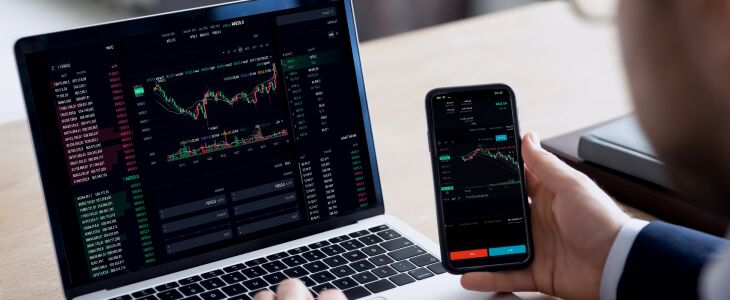
Trading in the financial markets has evolved significantly over the years, thanks to advancements in technology. One of the most notable innovations in recent years is the use of Expert Advisors (EAs). These automated trading tools are transforming how traders engage with the markets, offering efficiency and precision that manual trading often lacks. This blog explores what Expert Advisors are, how they function, mt4 trading platform and why they have become a game-changer for traders.
What are Expert Advisors?
Expert Advisors are automated trading systems designed to execute trades based on specific rules and algorithms. Traders can use them to analyze market conditions, identify trading opportunities, and even execute trades without human intervention. Essentially, these tools act as a personal trading assistant, programmed to follow pre-set parameters to make decisions. They operate within trading platforms, ensuring trades are executed swiftly and accurately.
How do Expert Advisors Work?
Behind the scenes, Expert Advisors rely on a combination of technical analysis and mathematical algorithms. They work by:
• Continuously monitoring market conditions in real time, analyzing charts, trends, and patterns.
• Making trading decisions based on programmed criteria such as price movements, indicators, and oscillators.
• Initiating trades according to the defined strategy, without the need for trader intervention.
For instance, advanced EAs can set stop-losses and take-profits, ensuring a healthier risk management plan for traders. Some even employ machine learning to adapt their strategies based on historical data.
Why are Expert Advisors Trending?
The growing popularity of Expert Advisors stems from the numerous benefits they offer:
• Time-Saving: Automated systems operate around the clock, reducing the need for traders to constantly monitor the market.
• Emotion-Free Trading: Emotional decisions often lead to poor trades. EAs eliminate this factor, relying strictly on logic and data.
• Improved Efficiency: With EAs making split-second decisions based on real-time data, trades are executed more efficiently than humans can manage.
• Accessibility: With a wide range of Expert Advisors available, there’s a system to suit every trading style and strategy.
Final Thoughts
Expert Advisors are revolutionizing the trading experience by offering unparalleled speed, precision, and consistency. For traders looking to elevate their strategies, understanding and utilizing these automated tools could provide a significant edge in today’s highly competitive markets.
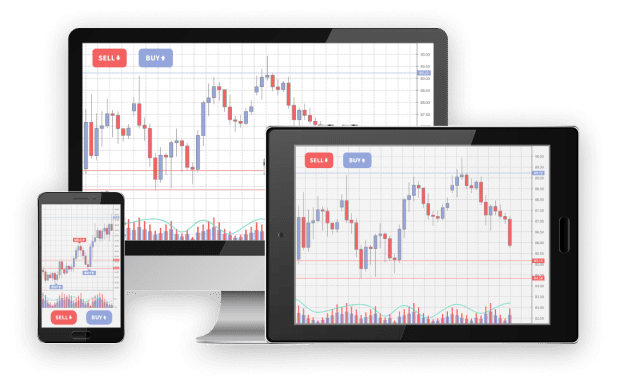
The mt4 trading platform ranks among the most popular tools for traders worldwide. For beginners and seasoned professionals alike, understanding its features is crucial for effective trades. This step-by-step guide simplifies the navigation process, helping you maximize its potential.
Step 1: Setting Up Your Trading Account
Before you begin, you’ll need a trading account. To set it up, register with a broker, complete the verification process, and log in using the credentials provided. Once inside, familiarize yourself with the dashboard, as it features your trading tools, charts, and balance details.
Step 2: Understanding the User Interface
The platform’s interface can be segmented into three primary sections:
• Market Watch Window: Displays real-time price quotes for various currency pairs or instruments. Add or remove pairs by right-clicking within the window.
• Chart Window: This area visualizes price data. Customize timeframes (e.g., one hour, one day) and apply technical indicators for detailed analysis.
• Terminal Window: Located at the bottom, it provides updates on account balance, trade history, and ongoing trades.
Take your time to identify these sections as they serve distinct purposes for efficient trading.
Step 3: Placing a Trade
To place a trade, select your desired instrument in the Market Watch window. Right-click and choose “New Order.” Here, you’ll specify:
• Trade Volume: Decide the amount you wish to trade.
• Stop-Loss/Take-Profit Levels: Predefine limits to manage risk and secure profits.
• Order Type: Opt for “Market Execution” for immediate trades or “Pending Orders” for future execution under specific conditions.
Confirm your input, and voilà—your first trade is live.
Step 4: Leveraging Technical Indicators
Technical indicators are key to informed decisions. Add indicators by selecting the “Insert” tab and choosing from options like Moving Averages or RSI. Customize these tools for insights into trends, momentum, or potential reversals.
Step 5: Monitoring and Managing Trades
Track active trades in the Terminal window. Adjust stop-loss or take-profit levels to respond to market conditions. If needed, close trades by right-clicking on the position and selecting “Close Order.”
Final Thoughts
Navigating the MT4 trading platform doesn’t have to be daunting. By following these steps, you’ll be equipped to execute trades, analyze markets, and manage your positions successfully. With practice, you’ll unlock its full potential.
The financial trading industry moves at a breakneck pace, with new technologies emerging constantly. Yet, even as innovative platforms attempt to gain traction, the mt4 trading platform (MetaTrader 4) remains at the forefront of the industry. What is it about MT4 that allows it to stand as the benchmark for traders worldwide, despite fierce competition?
Unmatched Usability and Accessibility
One of the primary reasons MT4 has retained its popularity is its user-friendly interface. Whether you are a novice trader stepping into the financial markets for the first time or a seasoned expert making high-stakes decisions, MT4 caters to a broad spectrum of needs. Its clean design, intuitive navigation, and straightforward usability minimize the learning curve, allowing traders to focus on execution rather than platform maneuvers.
Additionally, MT4 supports multiple languages, making it accessible to users in virtually every corner of the globe. This universal appeal has cemented its position as the trading platform suitable for everyone.
Advanced Technical Analysis Tools
MT4 is revered for its comprehensive suite of technical analysis tools. Traders can access over 30 built-in indicators, including Moving Averages, Bollinger Bands, and Relative Strength Index (RSI), to track market trends and identify opportunities. More importantly, the platform fosters customization, giving users the ability to create their own tools or integrate third-party plugins to achieve precision trading.
Its interactive charts, with multi-timeframe analysis options, also provide users with valuable insights. These features, combined with MT4’s ability to execute traders’ strategies, ensure it is more than capable of handling the sophisticated needs of today’s financial markets.
Stability and Reliability
Financial markets operate 24/5, requiring trading platforms to deliver consistent performance around the clock. MT4 has built its reputation on its robustness and stability, delivering seamless trading even under volatile market conditions. Downtime is detrimental to traders, and the platform’s resilient framework minimizes disruptions that could cost traders their investments.
Algorithmic Trading Capabilities
MT4 supports Expert Advisors (EAs), making it a pioneer in algorithmic trading. This functionality enables traders to automate their strategies, perform trades based on specific parameters, and monitor multiple assets simultaneously. While competitors may attempt to replicate its features, MT4’s proven reliability and extensive EA library give it a competitive edge.
A Network Effect That Secures Its Strength
Beyond its individual features, MT4 benefits significantly from a longstanding network effect. With millions of active users, developers, and communities supporting it, MT4 isn’t just a platform; it’s the backbone of global trading.
Why MT4 Won’t Be Replaced Anytime Soon
Despite the rise of new platforms, MT4 holds its ground as an industry standard due to its user-friendly design, powerful technical tools, reliability, and innovative features like algorithmic trading. Its enduring popularity makes it unlikely that MT4 will lose its top position in the near future.
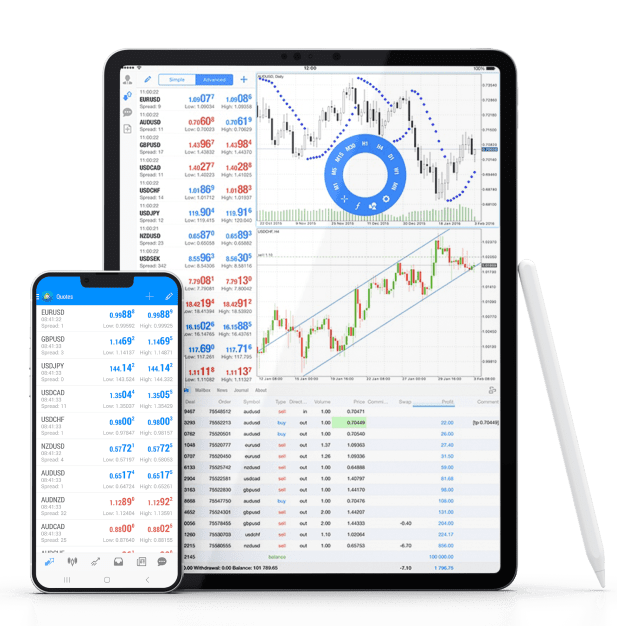
The world of online trading continues to evolve, and analysis tools are becoming indispensable for successful traders. Among the platforms popular with traders is mt4 trading platform, a system built to enable efficient and profitable trading while offering unparalleled user customization. Understanding its full potential could be the key to enhancing your trading strategy and capturing profitable opportunities.
Why Traders Choose MT4
MT4 stands out as one of the most widely-used trading platforms due to its reliability, versatility, and features tailored to both beginners and seasoned traders. The platform supports tools for technical analysis, real-time trading execution, and algorithmic trading through Expert Advisors (EAs). But what really sets it apart is its wide adoption and customization, which ensures traders across skill levels can adapt it to their requirements.
Statistics show that MT4 is still among the top platforms worldwide due to its support for multiple trading instruments like forex, commodities, and indices, giving users the flexibility to diversify their portfolios. This diversity, combined with ease of use, creates an ecosystem where both novice and professional traders thrive.
The Key Features That Drive Profitability
Here are some highlights of MT4’s features that can empower traders to maximize their profit potential:
1. Advanced Charting and Analytical Tools
MT4 equips traders with an array of analytical tools that allow for precision in decision-making. Whether it’s oscillators, moving averages, or Fibonacci levels, the ability to add multiple indicator layers to charts ensures no critical market movements go unnoticed.
2. Automation with Algorithmic Trading
The platform’s support of Expert Advisors enables algorithmic trading. EAs execute trades automatically based on pre-set parameters, eliminating emotional decisions and taking advantage of round-the-clock market opportunities. This feature is especially beneficial for analytics-driven traders, as algorithms can process large amounts of historical market data in seconds.
3. Customizable Interface
Another standout feature is MT4’s customizable layout, allowing traders to set up the interface to suit their needs. This personalization ensures efficiency and faster reactions during volatile market movements, which can often mean the difference between loss and profit.
4. Real-Time Market Updates
Instantaneous market updates and price alerts keep traders informed of changing market sentiment, allowing for reactive and profitable trades. The platform’s ability to sync across multiple devices ensures traders never miss a crucial opportunity.
Unlocking Profits With the Right Strategy
To fully capitalize on the features of MT4, traders should focus on building a disciplined strategy that complements its tools. Whether you prioritize daily price action or longer-term oscillating trends, combining these with MT4’s analytics can yield significant returns. Staying aware of market conditions and continuously tweaking your tools will ensure the platform generates the maximum benefit.
The Bottom Line
The MT4 trading platform has consistently remained a favorite for traders worldwide, thanks to its advanced tools, customizability, and seamless execution. By leveraging its unique features like automation and in-depth analysis, traders can unlock new levels of profitability in their strategies. The key to success lies in understanding the nuances of the platform and how it fits your unique trading style.
The forex (foreign exchange) and CFD (contract for difference) markets have grown exponentially in the past two decades, becoming key trading arenas for individuals and institutions alike. However, the real game-changer in this space was the introduction of an advanced Metatrader 4 trading platform that streamlined processes and enhanced trading efficiency. This platform emerged as a trailblazer by transforming the way traders analyzed markets, executed trades, and managed risk.
Simplified Access to Complex Markets
Before this revolutionary trading platform, the forex and CFD markets were often intimidating to beginners. They were dominated by manual processes, complex tools, and inaccessible institutions. The platform brought advanced trading capabilities to the fingertips of a global audience, democratizing trading for both seasoned professionals and novices. Traders could now easily access live quotes, charts, and robust analysis tools—all in one place.
This shift not only lowered the entry barrier for retail traders but also created a more inclusive environment where anyone with an internet connection could get started.
Advanced Charting and Analytical Tools
One of the defining features of this platform was its advanced suite of charting and analysis tools. Traders gained access to technical indicators, customizable charts, and real-time data that allowed them to predict market movements with increased accuracy. This introduced a new standard in trading, empowering users to make more data-driven decisions.
Statistically, studies have shown that advanced analytics can enhance prediction capabilities by over 20%, giving traders using sophisticated platforms a clear advantage in high-stakes markets.
Automation and Customization
Another revolutionary feature introduced was its ability to automate trading strategies—a prospect unheard of for most retail traders at the time. By incorporating options like expert advisors or algorithmic trading, traders could automate their actions based on pre-determined criteria. This not only reduced emotional biases but optimized trading speed.
Automation also aligns with the growing shift in global trading trends. According to recent studies, over 70% of global trades are now executed using algorithms. This showcases how early adoption of automation laid the foundation for a trading environment that thrives on precision and speed.
A New Era of Trading
The impact of this trading platform on the forex and CFD markets cannot be overstated. By providing ease of access, advanced tools, and automation options, it empowered traders around the globe to participate confidently in fast-paced financial markets. Its revolutionary features created a ripple effect that shaped modern trading as we know it.