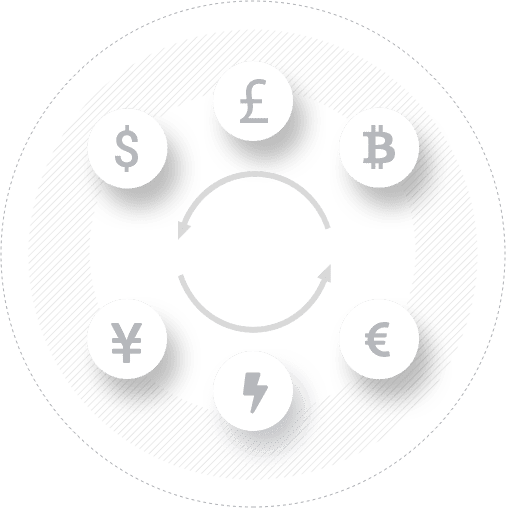
The foreign exchange market, commonly known as the Forex market, is one of the largest and most dynamic financial markets globally. With a daily trading volume exceeding $7.5 trillion in 2023, it attracts both seasoned traders and curious beginners. This guide will break down the fundamentals of forex market, helping you understand the essential elements before you begin your trading journey.
What is Forex Trading?
Forex trading involves the buying and selling of currencies to profit from their fluctuating exchange rates. Unlike traditional stock markets, Forex operates 24 hours a day, five days a week, and is decentralized, meaning there isn’t a single central marketplace. The trades occur electronically over-the-counter (OTC), connecting traders worldwide, from major financial institutions to individual participants.
The core of Forex trading lies in currency pairs. These pairs represent the value of one currency against another, such as EUR/USD (Euro to the U.S. Dollar) or GBP/JPY (British Pound to Japanese Yen). Currency movements are influenced by a variety of factors, including economic indicators, geopolitical events, and market sentiment.
Key Participants in the Forex Market
The Forex market is not just for individual traders. Significant players drive the market, including corporations, governments, and financial institutions. Here’s a quick overview of the major participants:
• Commercial Banks: They dominate the Forex market by handling massive volumes of currency trades for clients and their accounts.
• Central Banks: National central banks, such as the Federal Reserve or the European Central Bank, play a crucial role by managing exchange rates and implementing monetary policies.
• Retail Traders: Individual investors enter the market with the intention of profiting from currency fluctuations, often through online trading platforms.
Understanding Forex Risks
Forex is known for its high liquidity and volatility, offering attractive profit potential, but these characteristics also bring significant risks. Traders often use leverage, which allows them to open positions larger than their account balance. While leverage amplifies potential profits, it also heightens the risk of considerable losses. This underscores the importance of developing disciplined trading strategies.
Start Trading the Right Way
Before entering the Forex market, focus on building a strong foundation. Educate yourself, practice using a demo account, and develop a risk management strategy to protect your investments. Success in Forex trading comes from a combination of technical skills, market awareness, and emotional control.
Categories